Abandoned Drainage Project Depresses Ajao Estate Values Amid Flooding
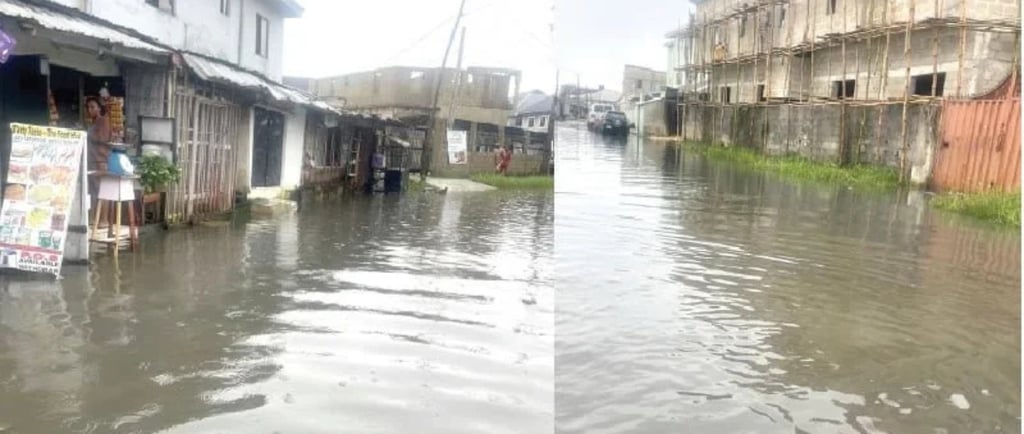
As of March 23, 2026, Punch reports persistent flooding in Ajao Estate, Lagos—near the international airport—due to an abandoned state drainage project. The area’s infrastructure challenges date back to 2007, but conditions worsened following a 2025 state government intervention that remains unfinished. The project damaged private driveways, left channels incomplete, and exposed the community to seasonal rains.
Current reports indicate submerged residential units, stranded vehicles, and frequent street parking as residents are unable to access private compounds. This has increased the risk of vehicle theft and disrupted daily life. Despite Ajao Estate’s role as an economic hub housing hotels and schools, the lack of functional drainage continues to undermine local stability.
Financial implications of infrastructure deficits
Recent urban studies and market outlooks highlight the following effects:
1. Property value depreciation: Research from the University of Lagos (UNILAG) Center for Resilience shows that residential properties in flood‑prone zones across Lagos—such as the Oniru corridor—experience value declines of approximately 11% to 20% compared with non‑flood‑affected properties.
2. Rental premiums: Data from the Northcourt Real Estate Market Outlook indicate that functional drainage, paved access roads, and verified utilities underpin an “Infrastructure & Service Premium.”
In flood-prone Lagos, residential units with verified, functional drainage systems command an annual rental premium (typically 10-20% above market average) because they mitigate the depreciation of up to 10% seen in poorly managed zones. For a standard ₦2.5 million Mainland apartment, this 'infrastructure bonus' frequently exceeds ₦291,000 as tenants prioritize year-round accessibility over lower base rents.
3. Flood–value correlation: Studies by Ajibola et al. confirm a statistically significant relationship between recurring flood events and declines in both capital and rental values of residential assets along the Lagos axis.
For yield‑seeking investors considering Ajao Estate or similar flood‑prone corridors, the following guidance applies:
Assess flood risk before acquisition
Check the area's past history on floods; avoid low‑lying plots with visible ponding or failed drainage.
Prioritize properties within estates that have documented drainage master plans or evidence of recent mitigation works.
Apply a liquidity and discount buffer
Treat Ajao Estate and other flood‑prone areas as higher‑risk, lower‑liquidity sub‑markets. Embed a valuation discount of 10–20% into your entry price, meaning you should only acquire a property if its price is 10–20% below the prevailing market value of comparable, non‑flooded assets. This adjustment accounts for recurrent flooding, higher maintenance costs, and the documented depreciation patterns observed in Lagos flood‑zone properties.
Favor already‑serviced or upgraded units
Target units with private sump systems, elevated plinths, or private retaining walls. These features defend NOI and reduce downtime during rainy seasons, supporting more stable yields.
Re‑price rental expectations carefully
Avoid chasing headline yields; instead, net actual downtime (flooding, repairs, tenant displacement) into your cash‑flow model.
Where you can improve drainage, track the rental uplift linked to better infrastructure and service quality.
Diversify geographically across Lagos
Balance exposure to flood‑prone areas with investments in higher‑elevation, well‑planned estates or inner‑city precincts with proven stormwater systems to mitigate portfolio‑wide flood risk.
Engage community and policy dynamics
Monitor local government commitments to complete the Ajao Estate drainage project; any credible progress can materially improve future capital value and reduce vacancy risk.
Mary Edet
Private Real Estate Advisor
© 2026. All rights reserved.
Member of the Billionaires Realtors Group (BRG)