Developers Warn of Housing Slowdown as Cement Prices Double to ₦15,000
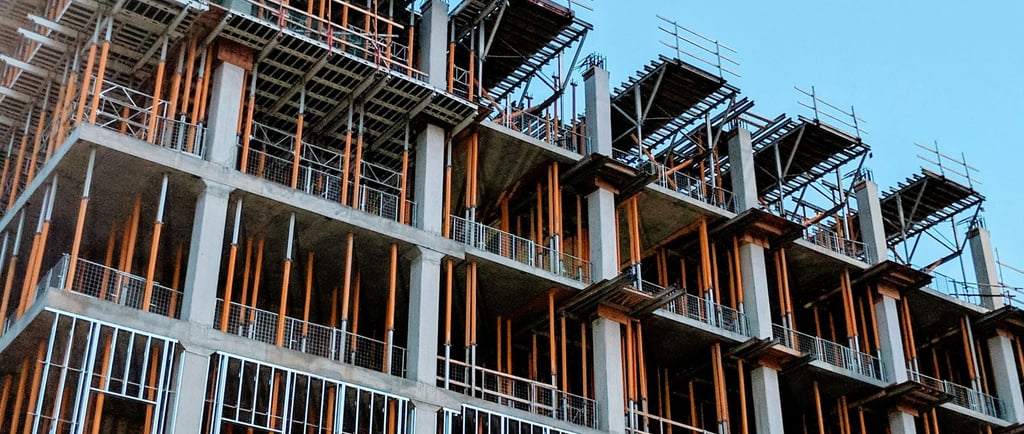
As of March 24, 2026, Nigerian Housing Market reports that cement prices have reached ₦15,000 per 50 kg bag, doubling from ₦7,500 in late 2025. The Real Estate Developers Association of Nigeria (REDAN) warns that this surge, alongside increases in steel (20%) and sand (25%), is stalling projects, reducing construction quality, and pushing rental rates in cities such as Lagos and Abuja toward record levels.
Implications
1. Appreciation of Existing Asset Value
Existing properties are likely to see a rise in market valuation. As the cost of new construction (replacement cost) rises sharply, the relative value of completed buildings tends to increase. With new projects stalled or abandoned due to high input costs, the constrained supply of “ready‑to‑occupy” units enhances the market power of current owners and supports upward pressure on prices.
2. Yield Compression for New Developments
If input‑price inflation is not promptly moderated, net yields for projects currently under construction are likely to compress. A 30% or higher increase in capital expenditure for materials such as cement and steel would require a proportional rise in rental income just to maintain the original yield. If the market cannot absorb these higher rents, the investor’s Return on Investment (ROI) is squeezed.
3. Move to Alternative Materials
Investors may secure more predictable margins by pivoting away from cement‑heavy designs. Approaches involving alternative building technologies—such as red bricks, stabilized earth blocks, or timber‑hybrid structures—or a focus on the “retrofit” market (renovating older buildings rather than building anew) can help de‑risk exposure to volatile material costs.
Recommendations
1. Prioritize Existing Assets Over Speculative Starts
Given that replacement‑cost inflation is pricing many new builds out of the market, focus capital on completed, income‑generating properties—particularly low‑ to mid‑rise residential and small‑scale commercial assets—in Lagos, Abuja, and other major cities. Existing stock is less likely to be repriced downward in the short term, while construction delays and quality risks increasingly weigh on pre‑sales and off‑plan projects.
2. Re‑Model Yields with a Conservative CapEx Buffer
For any development still in progress, incorporate a realistic 25–30% increase in material costs into your project budget. While developers may double headline rents, tenant affordability limits are likely to cap actual growth. In your underwriting, cap nominal rental uplifts at 15–20% per annum and explicitly model vacancy and payment‑default risk into net yields. This typically requires adjusting IRR and NOI assumptions downward unless rent or density gains can be clearly demonstrated.
3. Watch for Policy‑Driven Material‑Cost Relief
Government and industry bodies have flagged the cement price surge as a threat to housing delivery and rent affordability. Monitor policy discussions on cement pricing, import‑substitution measures, and affordable‑housing financing schemes. Any meaningful relief in construction‑cost pressure would improve the viability of new‑development pipelines and support tenant‑paying capacity, thereby enhancing the risk–return profile of forward‑looking projects.
Mary Edet
Private Real Estate Advisor
© 2026. All rights reserved.
Member of the Billionaires Realtors Group (BRG)