Flood‑Resilient Features That Protect Your Yield
In flood‑prone corridors like Ajao Estate, not all properties are equally exposed. Yield‑driven investors can significantly reduce downside risk by focusing on homes and buildings equipped with basic flood‑mitigation infrastructure. The following three infrastructural features serve as practicable tools for preserving capital value and supporting stronger rental performance.
1. Elevated Ground Floors (Plinths)
A plinth is the base of a building’s superstructure—typically raised 45 to 60 cm above the natural ground level. It serves as an immediate barrier against flooding, soil moisture, and termite infestation.
Raising the floor level also protects the property against “sinking” relative to future road resurfacing, ensuring the asset remains viable as local infrastructure heights increase.
2. Private Pumping Systems (Sumps)
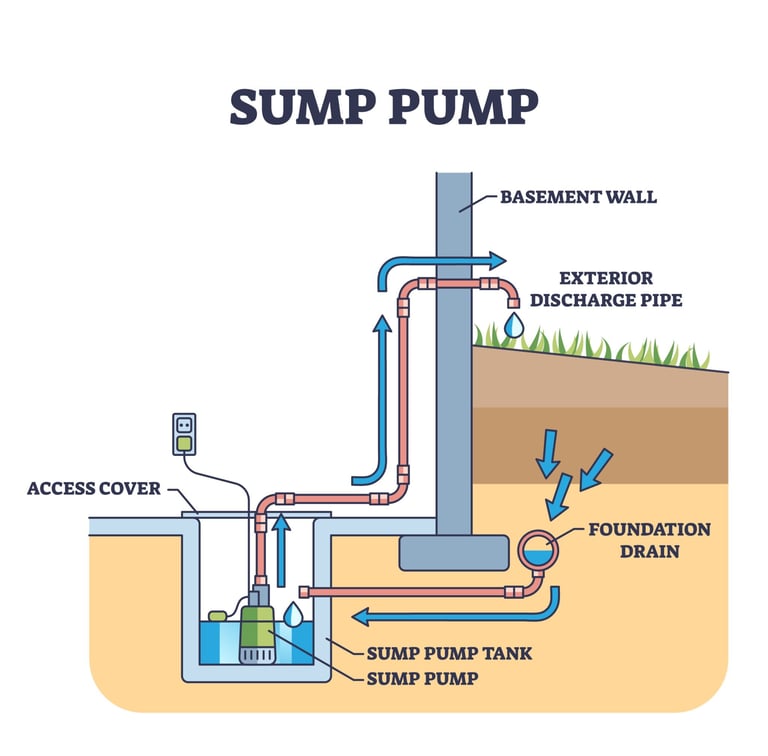
A sump is a collection chamber installed at the lowest point of a property to manage groundwater and stormwater runoff. When water levels rise in the pit, an automated sump pump activates and discharges water away from the foundation to a designated drainage point.
There are two main types:
Submersible pumps: These are more powerful and quieter, and are positioned inside the pit.
Pedestal pumps: In these, the pump motor sits above the pit and these types are better suited for narrower spaces.
By preventing basement flooding and reducing post‑storm repair downtime, sumps help maintain a higher Net Operating Income (NOI).
3. Retaining Walls
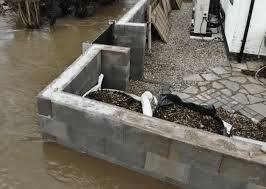
Retaining walls are engineered structures designed to hold back soil and stabilize steep or uneven terrain, preventing erosion and landslides. They help mitigate flooding by acting as physical barriers that block or redirect water, channeling runoff away from buildings and vulnerable areas.
In flood‑prone sub‑markets like Agungi (Lekki) and Lugbe (Abuja), these three features—when present—function as risk‑mitigation infrastructure. By integrating them, owners can:
Reduce vacancy risk because properties remain accessible and dry during heavy rains.
Defend valuation, avoiding the 10–20% “flood discount” common in low‑lying Lagos corridors.
Support rental uplift, because tenants often pay a premium for “flood‑proofed” units, directly increasing annual yield.
Mary Edet
Private Real Estate Advisor.
© 2026. All rights reserved.
Member of the Billionaires Realtors Group (BRG)