Impact of Dangote Refinery's Full Capacity on Nigerian Real Estate for Yield-Driven Investors
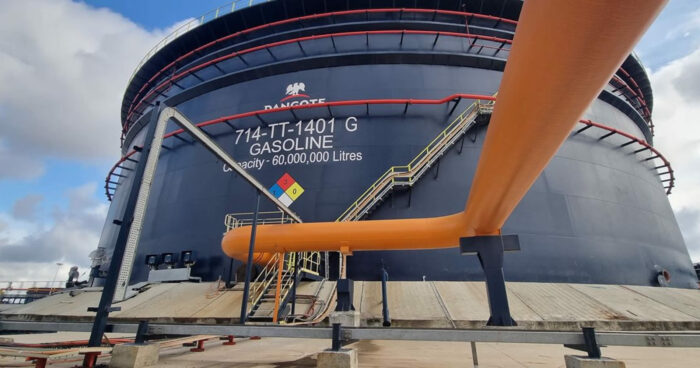

As of March 22, 2026, Nairametrics reports that Dangote Refinery has successfully exported 456,000 tonnes of refined petroleum upon reaching its nameplate capacity of refining 650,000 barrels of crude per day. Approximately 75% of the refinery's daily output is reserved for the Nigerian market, with the remainder allocated to exports.
1. Currency Stability and Yield Preservation
Increased foreign exchange inflows from fuel exports contribute to Naira stabilization. For investors, a stable currency preserves the real value of rental income against global benchmarks, making long-term yield projections more reliable.
2. Concentration of High-Income Tenants
The refinery's shift to full-scale export operations demands a permanent workforce of specialized expatriates and high-level professionals. This sustains demand for executive residential units and short-let apartments in the Ibeju-Lekki corridor, enabling investors to secure higher rental premiums over standard residential markets.
3. Expansion of Support Industries
Export activity at this scale spurs a secondary economy of logistics providers, maintenance firms, and maritime services. These businesses require office space, warehouses, and industrial yards, creating opportunities for yield-driven investors in purpose-built commercial real estate tailored to these ancillary industries.
4. Infrastructure-Led Appreciation
High-volume exports catalyze expedited government and private investments in local infrastructure, such as road networks and power grids. Enhanced accessibility and utility reliability reduce vacancy rates and support periodic rent increases, boosting net initial yields.
Mary Edet,
Private Real Estate Advisor.
© 2026. All rights reserved.
Member of the Billionaires Realtors Group (BRG)