Nigeria Banking Sector Growth 2025
Impact on Mortgages and Grade-A Real Estate
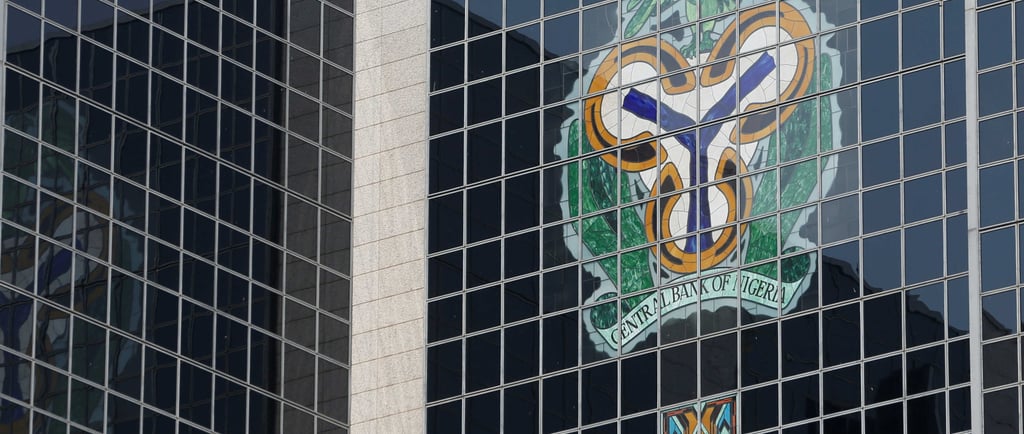
As at March 29, 2026, Nairametrics reports that Nigeria’s banking sector successfully attracted $13.53 billion in foreign capital inflows throughout 2025. This 93.25% year-on-year surge was primarily catalyzed by the Central Bank of Nigeria’s recapitalization directive, which forced lenders to bolster their capital bases to as high as ₦500 billion. The banking sector effectively dominated the nation’s capital importation landscape, accounting for 58.26% of all foreign inflows, as 32 banks have already met the revised thresholds.
For an investor focused on yields within the Nigerian property market, this monumental shift in the financial landscape suggests a transition toward greater systemic stability, though it introduces specific complexities for physical asset returns.
1. Enhanced Credit Availability and Mortgage Depth
The primary benefit of a recapitalized banking sector is the expansion of lending capacity. With a significantly larger capital base, financial institutions are better positioned to move beyond short-term trade finance and toward long-term project financing. It is anticipated that this will gradually increase the availability of construction finance for developers, which can stabilize the supply of new inventory. A more robust mortgage market—supported by these inflows—improves the liquidity of the exit. When more buyers can access credit to purchase finished properties, the velocity of capital for the initial investor increases, allowing for more frequent reinvestment cycles.
2. The Divergence Between Financial Liquidity and Construction Costs
While the arrival of $13.53 billion suggests improved foreign exchange liquidity, there remains a persistent disconnect between banking sector health and the cost of physical development. As observed with the recent doubling of cement prices, financial sector capital does not immediately suppress industrial inflation. Yields are currently under pressure because construction overheads are rising faster than rental rates in many segments. I believe it is vital to recognize that this foreign capital is largely "locked" into bank balance sheets to satisfy regulatory requirements rather than being fully dispersed into the open market to subsidize the import of building materials. Therefore, while the financial system is safer, the immediate cost of adding a square meter of space remains high.
3. Yield Competition and Asset Reallocation
A recapitalized banking sector often produces highly attractive, liquid financial instruments. If banks offer high-interest fixed-income products or dividends to satisfy their new foreign shareholders, real estate yields must remain competitive to attract capital. I see a scenario where institutional investors might weigh the 10-12% net rental yield of a commercial property against the risk-adjusted returns of strengthened bank equities or bonds. For real estate to remain the preferred vehicle, investors must look toward high-demand niches—such as short-let apartments in prime zones or specialized warehouses—where rental growth can outpace the returns offered by the financial markets.
4. Institutional Grade-A Demand
The influx of foreign capital and the strengthening of banks often lead to a flight to quality. Recapitalized banks and the foreign entities investing in them require Grade-A office spaces that meet international standards for security, technology, and sustainability. This news signals a sustained demand for premium commercial assets in core business districts. Investors who position themselves in these high-specification assets are likely to see the most consistent yield appreciation, as these corporate tenants possess the deep pockets required to absorb upward rent adjustments.
Mary Edet,
Private Real Estate Advisor.
© 2026. All rights reserved.
Member of the Billionaires Realtors Group (BRG)