US Embassy Abuja Alert: Indirect Pressure on Nigeria's Real Estate Sector Amid Heightened Security Concerns
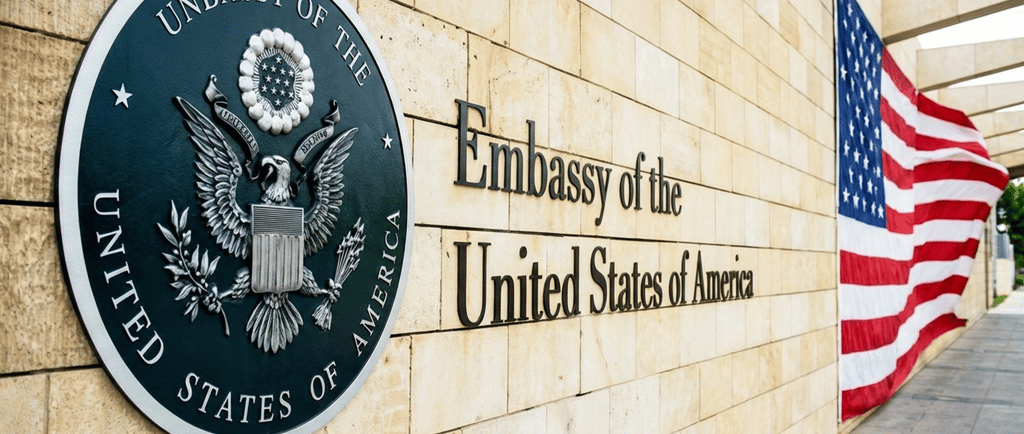
The US State Department has authorized the voluntary departure of non-emergency US government employees and their eligible family members from the US Embassy in Abuja. This decision reflects an elevated security environment, characterized by violent crime, terrorism from groups such as Boko Haram and ISWAP, kidnappings for ransom targeting expatriates, armed banditry, and sporadic civil unrest.
Issued on April 8, 2026, this "Authorized Departure" order aligns with Nigeria's ongoing US Level 3 "Reconsider Travel" advisory. Level 4 "Do Not Travel" designations apply to 18 northern and central states, including Borno and Kaduna, due to terrorism risks, while three northeastern states, including Bayelsa, face Level 4 alerts for rampant crime and oil theft.
Key recent triggers include March 2026 protests by the Islamic Movement of Nigeria (IMN, a Shiite group), terror threats to US facilities and schools (as noted in a March 9 alert), visa appointment cancellations on March 4 amid US-Iran tensions, and persistent challenges such as farmer-herder clashes and election-related violence. Comparable measures were implemented in 2022 due to similar terror risks.
Short-Term Real Estate Implications
Although the embassy remains operational with essential staff and the US Consulate in Lagos continues routine services, this order exerts indirect pressure on Nigeria's real estate market via heightened perception risks and reduced foreign direct investment (FDI).
Expatriate and diplomat relocations will strain luxury segments in Abuja and Lagos, where US and European staff typically rent serviced apartments at 20-50% premiums over local rates. Analysts anticipate 5-15% vacancy increases and rental yield compression from approximately 8% to 6%. FDI inflows, already down 15% following 2025 regulatory bans, could decline an additional 10-20% in real estate as US and European funds postpone commitments. Naira devaluation driven by negative sentiment may elevate construction costs for imported materials like cement and steel (by 10-20%) and drive up mortgage rates, posing challenges for developers and income-oriented investors.
Premium properties near Abuja embassy zones will likely experience the initial impact.
Mid-tier markets, buoyed by domestic Nigerian demand, may offer relative resilience.
Potential Opportunities in Select Segments
Contrarian investors could benefit from secure, fortified estates in lower-risk Lagos suburbs like Lekki or Ikoyi. Departing expatriates may offload luxury inventory at 10-15% below market value to prioritize liquidity amid uncertainty.
Properties in well-gated communities featuring CCTV integration, panic rooms, and biometric access could see increased demand. Embassy alerts often heighten local concerns over kidnappings and unrest, spurring investment in enhanced security features.
Mary Edet,
Private Real Estate Advisor.
© 2026. All rights reserved.
Member of the Billionaires Realtors Group (BRG)