Variation Clauses: The Fine Print Every Buyer Must Read
Part I
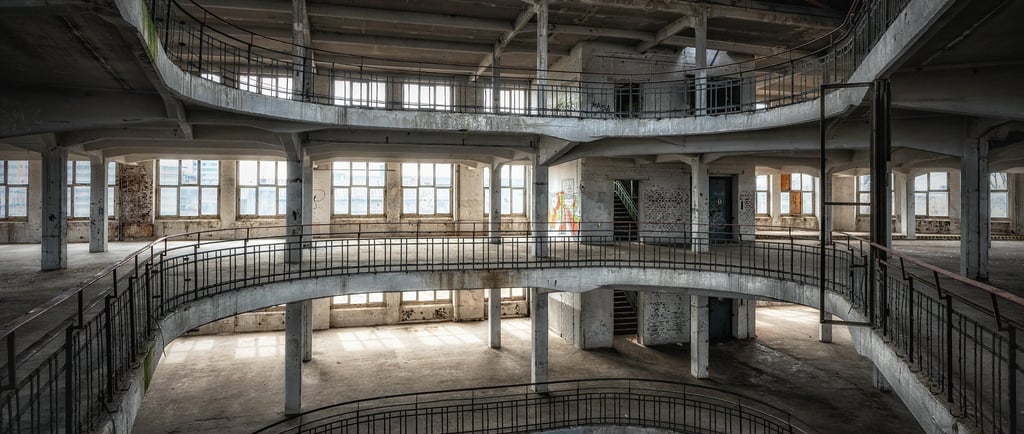
If you purchased an off-plan apartment and the developer halted construction at the third floor because "costs went up," how would you respond?
In many instances, if a developer perceives a buyer is unrepresented, they may attempt to invoke the Force Majeure clause. They do this to relinquish liability for delivery delays, often holding the project hostage until the buyer agrees to significant, undocumented extra payments.
However, with professional advisory backing, the conversation pivots from vague excuses to the Variation Clause.
What is a Variation Clause?
In contract law, a Variation clause is a provision that allows specific terms of a contract to be altered after the document has been executed. In the context of Nigerian off-plan property, this clause typically governs changes in:
Purchase price and balance amounts
Architectural design and square footage
Material specifications
Completion timelines
In the Nigerian market, these clauses are frequently drafted with broad, ambiguous language. This lack of specificity creates a vacuum that allows for technical abuse.
Understanding the Variation clause before executing a Contract of Sale (COS) is the most effective way to prevent mid-project surprises. A rigorous review at the outset determines whether you receive the asset as promised or spend years litigating changes that should have been restricted from day one.
In the next post, we will examine the most common exploitation of this clause: Price Escalation.
Mary Edet
Private Real Estate Advisor, Edet Real Estate
© 2026. All rights reserved.
Member of the Billionaires Realtors Group (BRG)