What Is the Average Clause in Property Insurance?
Blog post description.
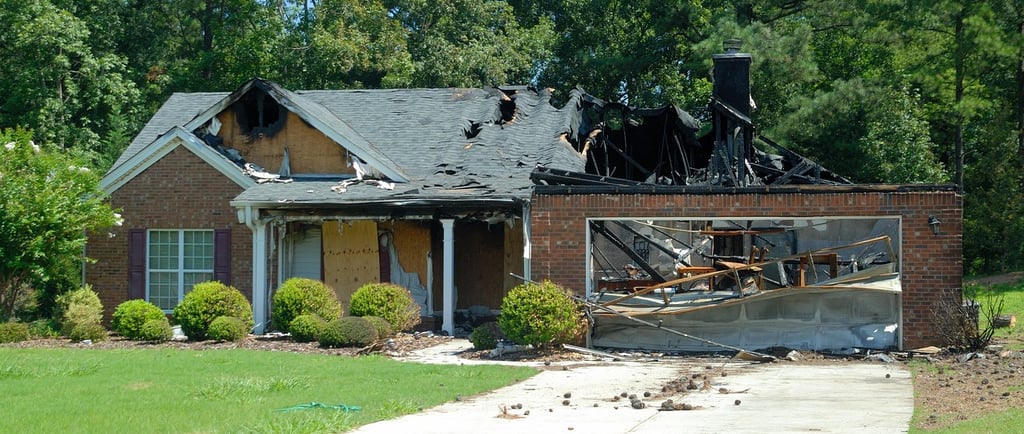
This rule applies when a property owner insures a building for less than its actual rebuilding cost. The situation is called underinsurance.
Insurance contracts assume that the insured value reflects the full replacement cost of the property.
If the insured value is lower than the true rebuilding cost, the insurer assumes the owner has chosen to insure only part of the risk.
As a result, the insurer only pays that same proportion of any claim.
Example of the Average Clause
Actual rebuilding cost of building: ₦100 million
Amount insured by owner: ₦50 million
The building is therefore insured for 50% of its true value.
If a fire causes ₦20 million in damage, the claim is calculated proportionally.
50% × ₦20 million = ₦10 million payout.
The insurer pays ₦10 million because the building was insured for only half of its replacement cost.
This rule exists to prevent situations where property owners pay very small premiums while expecting full compensation after a loss.
Understanding this rule helps explain why accurate property valuation is important when purchasing insurance.
© 2026. All rights reserved.
Member of the Billionaires Realtors Group (BRG)