Why Public Buildings in Nigeria Must Have Insurance

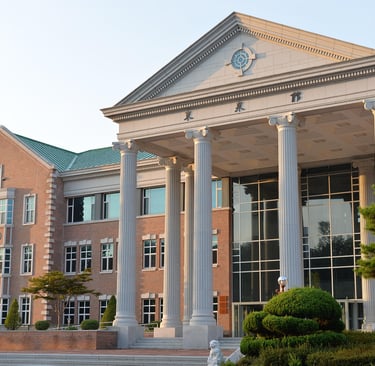
Buildings that allow public access carry risks beyond the property owner alone.
If a structural failure injures occupants or visitors, the consequences extend to many individuals.
For this reason, Nigerian law requires certain public buildings to carry insurance covering structural collapse and third-party liability.
Examples of Public Buildings
Public buildings typically include:
schools
shopping centres
office complexes
hotels
If structural failure causes injury or death to occupants, the insurance policy compensates victims.
Public attention to this requirement increased after structural disasters such as the Ikoyi Building Collapse in 2021, which highlighted the potential consequences of construction and safety failures.
While insurance can provide financial protection, policies do not cover every type of damage.
Understanding what insurance excludes is also important.
Common Insurance Exclusions
Insurance policies generally exclude predictable or intentional damage.
Examples include:
Normal wear and tear
Damage caused by aging materials, corrosion, or lack of maintenance.
Pre-existing structural defects
If a building had serious structural weaknesses before the policy began, insurers may deny related claims.
Intentional damage
If an owner deliberately causes damage, the policy becomes invalid.
War or nuclear events
These extreme risks are normally excluded.
Insurance works best when risks are unpredictable. Gradual deterioration or deliberate damage cannot be insured in the same way.
Another technical rule can also affect insurance payouts, even when a loss is covered.
© 2026. All rights reserved.
Member of the Billionaires Realtors Group (BRG)